
PROSE (Prosthetic Replacement of the Ocular Surface Ecosystem) Treatment for Dry Eye and Ocular Surface Disease:
Ocular surface disease is a term that encompasses a multitude of disease states, each with its own set of serious symptoms and potential complications. Patients with this kind of disease may experience breakdown of their corneal tissue, dry eyes, and other symptoms that put their vision at risk and degrade their quality of life.
If you have been struggling with corneal or ocular surface disease that have not been adequately addressed by traditional methods, PROSE treatment may be the solution. PROSE (PROSTHETIC REPLACEMENT OF THE OCULAR SURFACE ECOSYSTEM) is a custom medical treatment that involves the use of a PROSE device to heal the ocular surface and protect future tissue breakdown. PROSE treatment provides ocular surface protection and continuous lubrication under the PROSE device.
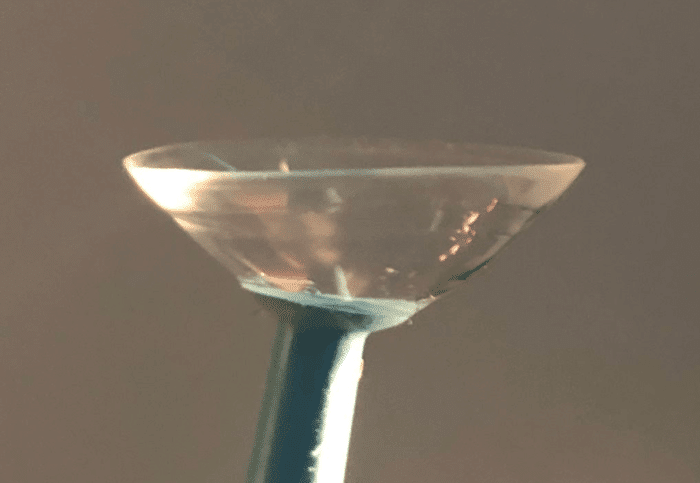
PROSE devices are removable transparent domes, about the size of a nickel, made of gas permeable plastic that allow oxygen to reach the surface of your eye. The devices rest on the sclera, the white part of your eye, and vaults over the cornea to create a smooth surface over the distorted, damaged, or diseased ocular surface. They are filled with preservative-free saline, each day at the time of application, and are removed at bedtime. This replacement of the ocular surface ecosystem allows the tissue to heal and provides pain relief.
A PROSE device is a custom designed and fabricated prosthetic device to restore visual function and ocular surface tissue integrity. Advanced control over the device design allows for a complete customization for each patient’s eye and makes it possible to fit the devices on the ocular surface without causing damage to the ocular surface.
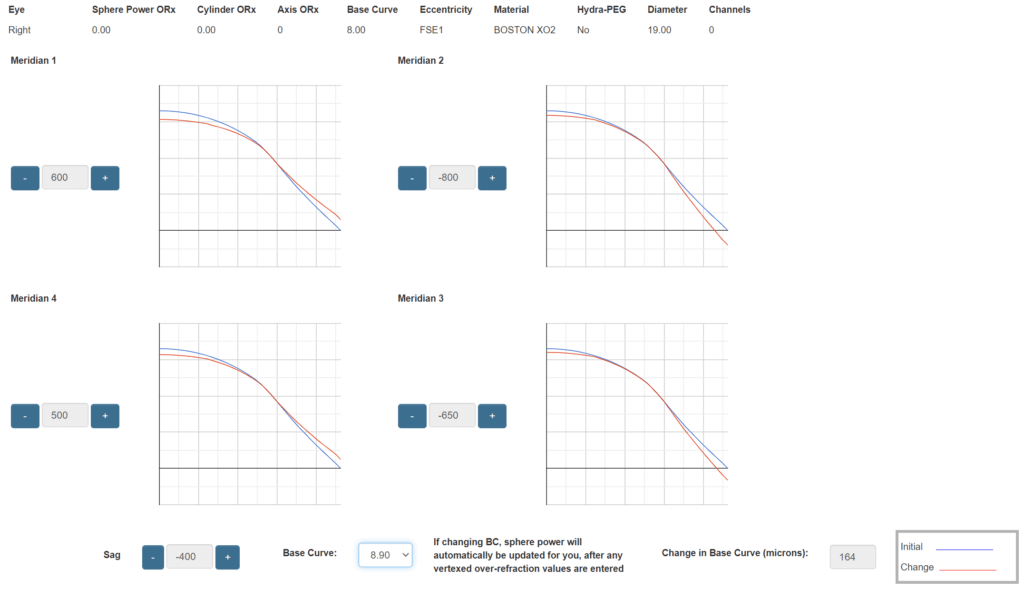
What makes PROSE treatment so effective is the custom designed and fabricated device that protects the ocular surface. Using the latest technology, we can design a device that is customized to each individual’s eye. There are 2 phases of PROSE treatment. The acute treatment and the long term treatment. The acute phase of treatment is focused on the initial healing of the eye. The long term treatment is aimed at maintaining the ocular surface. The treatment length can vary based on the severity of the disease being treated. For most patients, the disease being treated is chronic, necessitating long term use of the PROSE device. In a minority of patients the disease that is being treated with PROSE is not chronic in nature and thus PROSE treatment is short and device wear will be discontinued after the ocular surface has healed. Our PROSE clinician, Dr. John Gelles, will decide when a satisfactory outcome has been achieved and if the patient can discontinue use of the PROSE lens or lenses.
Who is PROSE Treatment For?
Patients with Ocular Surface Disease
Ocular surface disease is a broad catch-all term that is used to describe the collective of diseases that damage tissue on the surface of the eye. The source of these diseases can vary widely, from dry eye and ocular allergies to systemic inflammation, immunologic disease, medications, radiation treatments, or previous ocular interventions or surgeries. Specific conditions that fall under this category include rheumatoid arthritis, Sjogren’s syndrome, thyroid eye disease, and dry eye induced by another autoimmune disease. Ocular surface disease can also be a result of chronic graft versus host disease (GVHD).
Patients with Limbal Stem Cell Deficiency
Ocular trauma like burns or acute intense immune system reactions can cause limbal stem cell deficiency. These conditions typically result in severe scarring to ocular mucous membranes and damage the cells that help a cornea to heal. Tissue scarring can lead to mechanical damage to the eye, as well. Conditions that fall under this category include Stevens-Johnson syndrome (SJS), toxic epidermal necrolysis, mucous membrane pemphigoid, ocular cicatricial pemphigoid, or chemical or thermal burns.
Patients with Exposure Keratitis
Impaired blink functions or incomplete closure of an eye leads to exposure keratitis. This can occur after certain surgeries, like blepharoplasty or lid repair, as a consequence of paralytic exposure, or as a result of lagophthalmos or anatomic lid malposition. In these cases, exposed tissue can experience severe localized dryness that eventually causes the cornea and ocular surface tissue to break down.
Patients with Neurotrophic Keratitis
Neurotrophic keratitis causes reduced corneal nerve function, which results in a lack of corneal sensation. Without proper sensation, patients experience corneal damage and poor healing. Conditions that can lead to neurotrophic keratitis include herpes zoster (shingles), herpes simplex (ocular herpes), trigeminal nerve dysfunction, and familial dysautonomia, all of which can lead to corneal wounds that don’t heal.
Can PROSE treatment help my vision?
Yes, PROSE treatment can not only help heal the eye but also improve vision. In ocular surface disease, the damaged tissue causes an irregular shape to the cornea which causes blurry vision. While wearing the PROSE device the irregular shape of the cornea is masked allowing for clearer vision. Additionally when tissue integrity is improved vision without the device may improve as well. However it must be said that some patients are purely wearing PROSE devices to heal the eye and reduce ocular pain, in many of these patient the lens surface may become damaged and the vision to be reduced, however the lens is doing its job, protecting the ocular surface tissue and taking the damage instead of the eye. PROSE device wear is not only used for patients with ocular surface disease, it can also be used for patients with Irregular Corneal Conditions. These conditions include keratoconus, keratoglobus, Terrien’s marginal degeneration, corneal ectasia after surgery, and pellucid marginal degeneration.
PROSE devices can also be used to manage irregular corneal conditions such as keratoconus, keratoglobus, pellucid marginal degeneration, and corneal ectasia after surgery.
PROSE Treatment Vs Scleral Lens
Unlike traditional scleral lenses, PROSE treatment is a comprehensive medical treatment for patients with complex ocular surface disease and corneal disease. Only ophthalmologists and optometrists who have completed a BostonSight PROSE Clinical Fellowship can perform PROSE treatment. PROSE treatment is ideal for patients with the most severe and complex cornea and ocular surface diseases. The difference between PROSE and scleral lenses is the additional medical care and the complex PROSE device customization.
Which treatment is right for you? PROSE treatment, scleral lenses, or wavefront guided scleral lenses? Our team of experts at CLEI will determine which is the best for your condition. Schedule an appointment today for an assessment.
About PROSE Treatment at the Cornea and Laser Eye Institute
Founded in 1995, the Cornea and Laser Eye Institute in Teaneck, New Jersey is dedicated to clinical care and research in cornea disease and refractive surgery. In 2002, the CLEI Center for Keratoconus was formally inaugurated, it is recognized worldwide and is a one of the nation’s only sub-specialty centers completely focused on treatment and research in keratoconus. The center’s contribution to keratoconus management has included the FDA approval of corneal collagen crosslinking in the US as well as many seminal papers on keratoconus treatment. Most recently the PROSE clinic at CLEI was founded to aid patients with severe corneal and ocular surface disease.
The Cornea and Laser Eye Institute is directed by Dr. Peter S. Hersh, a graduate of Princeton University, Johns Hopkins Medical School, and Harvard Medical School’s ophthalmology residency and corneal surgery fellowship programs.
The PROSE Clinic at CLEI is directed by PROSE clinical fellow, Dr. John D. Gelles. He is support by a team of Harvard trained ophthalmologists, Dr. Steven A. Greenstein and Dr. David S. Chu, specialized in corneal, ocular surface, immunologic and inflammatory ocular surface disease. All of CLEI’s doctors hold academic appointments at Rutgers New Jersey Medical School Department of Ophthalmology and Visual Science and are internationally recognized experts.



